
Moving Out of State: Complete Checklist, Cost & Insurance Guide
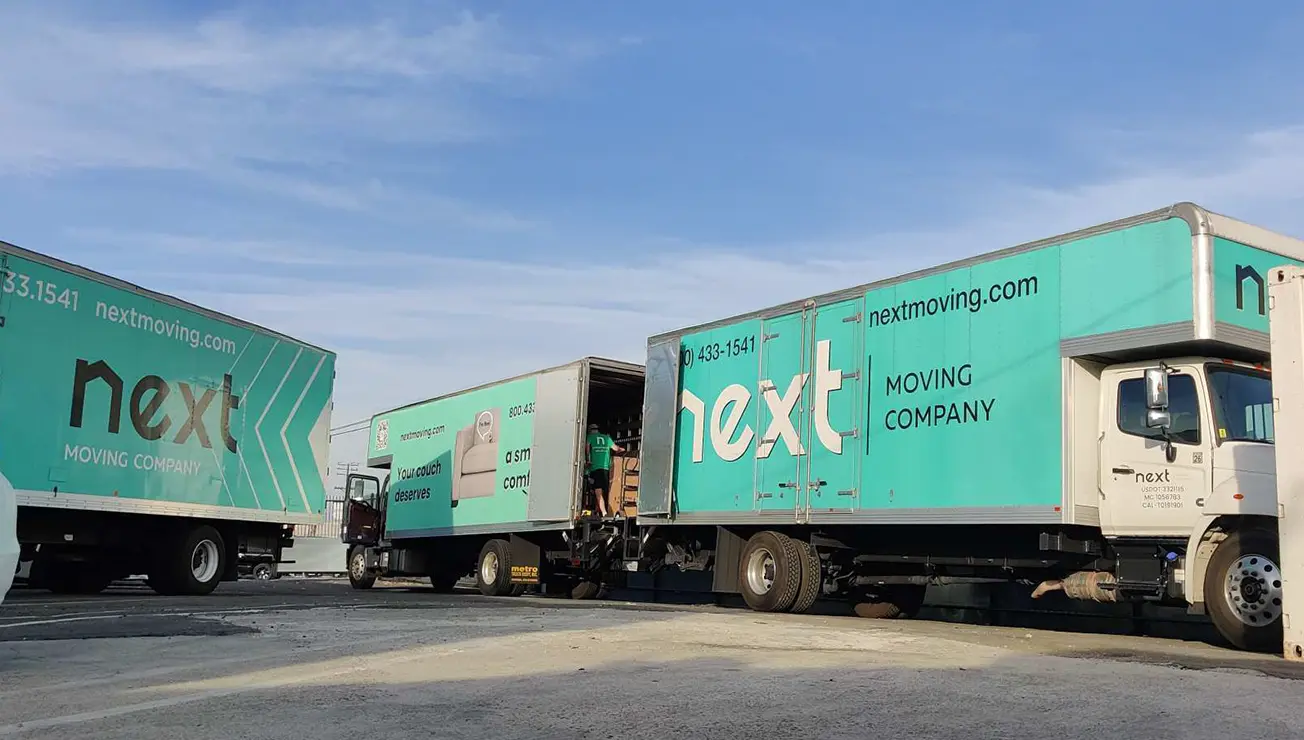
Moving to another state requires a lot of preparation. It costs more than local, the logistics are more layered, and the administrative work runs long after the truck arrives: insurance, vehicle registration, address changes, all of it. None of that is a reason to stress. But, it is a realistic reason to start earlier than feels necessary and work from a structured plan.
We’ve written this checklist to help you understand the full picture: a week-by-week task schedule, realistic cost ranges, how to pick a legitimate carrier, and what to do about your car insurance and vehicle registration once you land.
Your Complete Out-of-State Moving Checklist
Long-distance moves reward early planning more than any other type of move. Book ahead, and you get better prices, preferred dates, and time to sort through things before paying to ship everything across the country.
The moving out-of-state checklist is structured by week:
| Period | Main Tasks |
| 8 weeks | Book a mover, set a budget, start sorting |
| 6 weeks | Notify landlord, order packing supplies |
| 4 weeks | Update address, utilities, and documents |
| 1 week | Confirm move date, finish packing |
Eight weeks is when you should start to book the carrier. During summer and end-of-month windows, interstate movers fill up fast. But our service, Next Moving, lets you lock in a date through online booking, review binding estimates in real time, and confirm the full job without a single phone call. Choosing your delivery window early also saves money. A 30 or 45-day window costs less than express.
Six weeks out, sort the household. Interstate pricing is weight-based. Anything that doesn’t go on the truck reduces the bill. Most clients are surprised by how much this one step actually saves.
Four weeks out, start the paperwork: address forwarding, utility transfers, bank updates. Waiting until after the move creates service gaps that take weeks to sort out.
The moving out-of-state checklist for the final week is simpler: confirm logistics, finish packing, and prepare a personal bag with everything you’ll need immediately upon arrival (documents, medications, chargers). These things should stay with you, not on the truck.
A well-built checklist for moving out-of-state doesn’t just list tasks. It sequences them so nothing lands in the wrong week. The moves that go smoothly are almost always the ones where preparation started before it felt urgent.
How Much Does Moving Out of State Cost?
Moving out-of-state is priced differently from a local job. Local moves are almost always billed by the hour. But long-distance moves depend on cargo weight and distance, so two identical apartments can yield very different totals depending on how much goes in the truck and how far it travels.
Working ranges:
| Move Size | Typical Range |
| Studio / 1 Bedroom | $1,500 – $4,000 |
| 2-3 Bedrooms | $3,500 – $8,000 |
| 4+ Bedrooms | $7,000 – $15,000+ |
Weight drives more of the cost than distance at mid-range moves. A household sorted before moving day consistently comes in lower than one that goes out the door intact. Selling or donating furniture, appliances, and anything already marked for replacement is the most direct way to reduce the final costs.
Additional services add their own line items: full packing, unpacking at the new address, temporary storage, and specialty transport for pianos or gun safes. Any legitimate company lists these in writing before you sign a contract.
One practical note on pricing: an unusually low quote is worth scrutiny. Some companies operate as brokers, collecting the booking and passing it to a third-party carrier. The truck that shows up may not be the company you hired, and your contract protections are weaker. Getting a binding estimate from a direct carrier and verifying before signing anything protects against that scenario.
Hiring Out-of-State Movers: How to Choose a Safe One
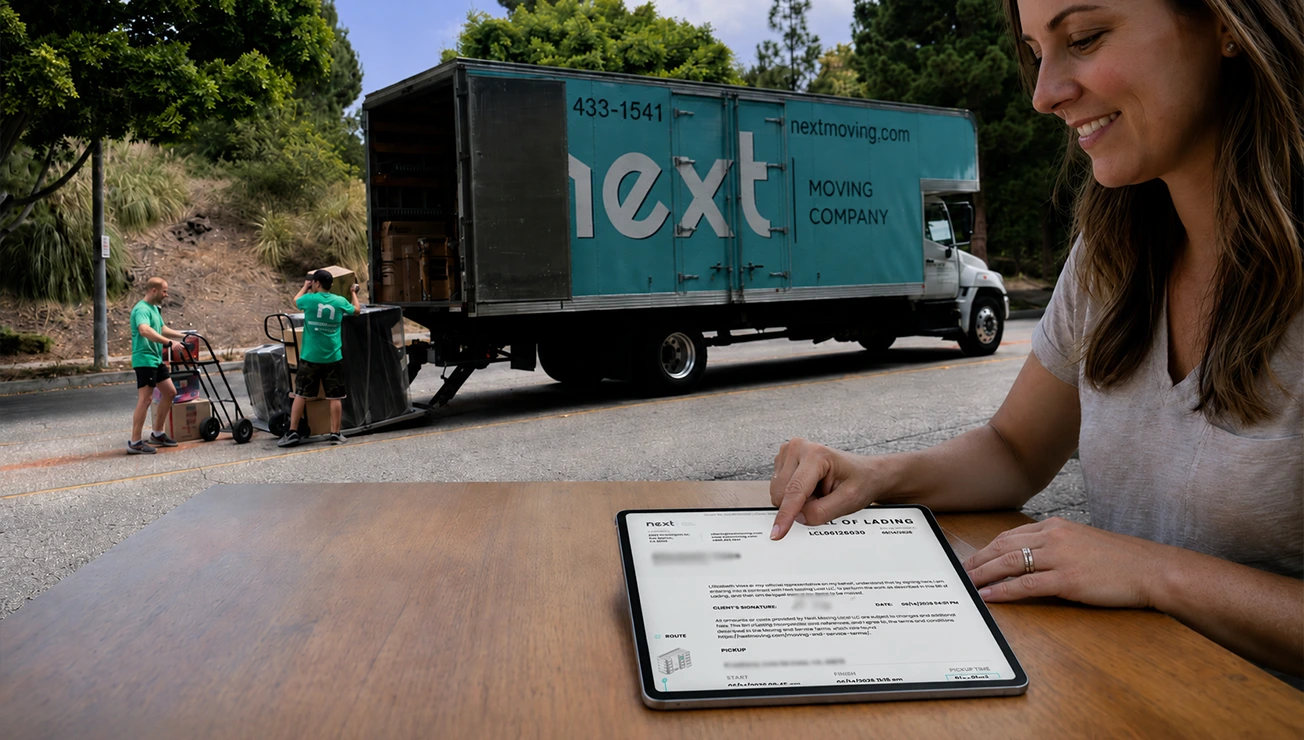
Choosing moving out-of-state movers isn’t about finding the cheapest option. On a job covering 1,000 miles or more, what actually protects you is paperwork, transparency, and a company willing to put everything in writing before you pay a cent.
Here’s what a legitimate interstate mover provides:
- A written binding estimate. A fixed price based on the agreed scope of work. Verbal “around $X” quotes can change on moving day, and on an interstate job, that number can change significantly.
- A Bill of Lading. The federally required contract between you and the mover. This document covers the terms of transport, delivery window, and carrier liability. If a company won’t issue one, don’t use their services.
- Clear insurance options. A reputable company explains both standard coverage and full-value protection before you book. You should know exactly what your belongings are insured for before the truck leaves.
- Carrier vs. broker transparency. You have the right to know whether the company moves your goods itself or passes the job to a third-party company. Brokers aren’t automatically a problem, but who’s actually on the truck matters.
- Reviews that go beyond star ratings. Check Google, Yelp, and the BBB to see how the company responds to complaints. A pattern of unresolved issues is more telling than one bad review.
- No large upfront deposit. A small reservation fee is normal. A large deposit before any work begins is one of the most recognized warning signs in the moving industry.
When searching for out-of-state moving companies near me, these criteria narrow the field fast. Next Moving is a licensed direct carrier – the crew you book is the crew that shows up. Pricing is transparent, estimates are binding, and the entire reservation process runs online 24/7 without pressure or hidden charges.
Insurance, Car & Admin When You Change States
The administrative side of moving out-of-state continues long after the boxes are in. Vehicle registration, driver’s license, health insurance, and voter registration all need updating, each with its own deadline.
Car insurance moving states is one of the first things to address after confirming your new address. Insurance rates are set at the state level. Your current policy may not meet the coverage minimums required where you’re moving. Some states require higher liability limits or mandatory uninsured motorist coverage. Your insurer needs to know about the move before you file a claim in a new state.
Moving to a new state car insurance means more than updating your address in the system. Rates change based on local accident statistics, crime levels, and population density. Sometimes rates drop, sometimes they increase. Either way, starting the conversation with your insurer before you move lets you review new terms in advance rather than discovering them after the fact.
A few other administrative areas that get delayed more often than they should:
- Health insurance network coverage is state-specific. A plan that covers your current doctors may not include providers in your new location. Checking before you need care saves your time.
- Voters need an updated address to vote in local elections. It gets deferred constantly and becomes a problem every election cycle.
- Keeping all transition documents in a single folder saves real time: lease agreement, insurance policies, carrier contract, registration paperwork. One place, not scattered across email and glove compartments.
Updating Your Car Insurance and Registration
The car insurance moving states process follows a consistent sequence across most insurers.
Contact your insurer before you move. Some policies technically adjust or lapse the moment you establish residency in a new state. Notifying them in advance gives you time to review the new terms, compare rates with local carriers, and make changes without any coverage gap.
Vehicle registration timelines vary by state, typically running 30 to 90 days from the date you establish residency. Missing those deadlines means fines that accumulate faster than expected. Check the specific requirement for your destination state as soon as you have a confirmed move date.
Driver’s license updates follow a similar timeline, usually 30 to 60 days. You’ll need your new address documentation, proof of insurance, and your current license at the DMV. Some states allow online renewal for transfers; most still require an in-person visit.
If you’re moving with a leased vehicle, the leasing company also needs to be notified. Some leases have geographic restrictions or require updated registration documentation.
Car insurance moving states covers more ground than a single policy update. It typically involves reviewing your current coverage, shopping rates in the new state, updating vehicle registration, and replacing your driver’s license, in roughly that order. Starting the insurance conversation a few weeks before moving day is the most efficient way to handle it.
Moving Out of State FAQ
What’s the first step when moving out-of-state?
Set the date and book a licensed carrier. Every other item on the checklist for moving out-of-state (budget planning, packing sequence, address updates) stems from those two decisions. Waiting on the booking is where most people lose flexibility on dates and price.
How much does it cost to move out-of-state?
A studio or 1-bedroom typically runs $1,500 to $4,000. A 2- to 3-bedroom is $3,500 to $8,000. Larger homes moving cross-country can exceed $15,000. Weight and distance drive the total, and sorting the household before the move is the most direct way to reduce it. Getting a binding estimate early helps you plan the real budget.
How do I find reputable moving out-of-state movers?
Confirm whether the company is a direct carrier or a broker. Get at least three binding estimates and read reviews that mention interstate experience, not only local moves. The moving out-of-state checklist for vetting carriers starts with that federal registration check.
Do I need to change my car insurance when moving states?
Yes. Car insurance moving states means updating your policy to comply with new state minimums, which often differ from your current state. Contact your insurer before you move to review the new coverage terms and avoid any gap in protection. Running a quick comparison with local carriers at that point is worth the time.
Where can I find a reliable checklist for moving out-of-state?
A solid checklist for moving out-of-state covers logistics, admin, packing sequence, and post-move tasks in weekly order. Starting at the 8-week mark and working forward keeps each phase manageable and avoids the last-minute scramble that turns a workable move into a stressful one.
Common questions
How Much Does Moving Out of State Cost?
Moving out-of-state is priced differently from a local job. Local moves are almost always billed by the hour. But long-distance moves depend on cargo weight and distance, so two identical apartments can yield very different totals depending on how much goes in the truck and how far it travels. Working ranges: Move SizeTypical RangeStudio / 1 Bedroom$1,500 - $4,0002-3 Bedrooms$3,500 - $8,0004+ Bedrooms$7,000 - $15,000+ Weight drives more of the cost than distance at mid-range moves.

