
Moving Day Tips, Etiquette & How Much to Tip Movers
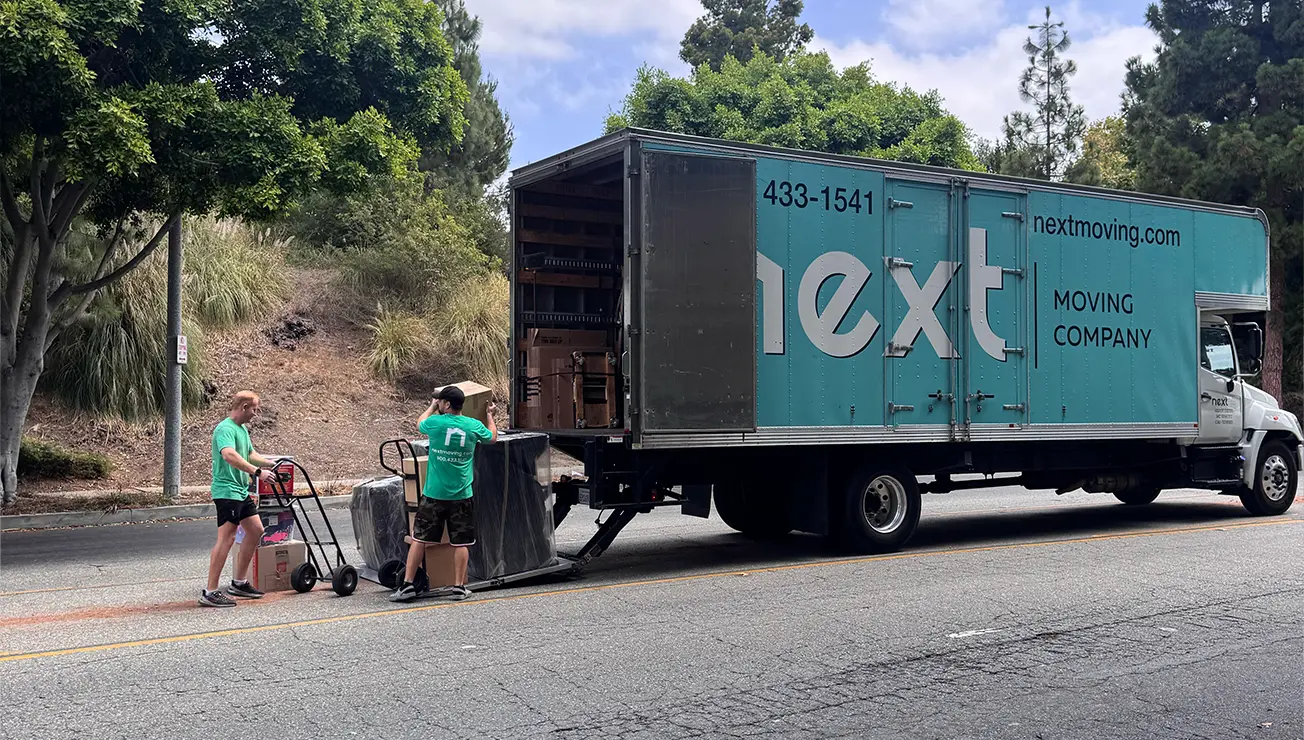
Here’s a question almost everyone forgets to Google until the night before: how much to tip movers? You’ve spent weeks organizing, packing, and coordinating the whole thing. The day is finally here. And somewhere between the last box and handing off the keys, you realize you have no idea what to leave the crew, or whether to leave anything at all.
Tips aren’t mandatory, but they’re genuinely appreciated. Movers do physically demanding work: heavy furniture, long stairwells, tight hallways, all of it on a time crunch. A tip is a simple way to acknowledge a job done well. The standard is $20-$40 per mover for a short local move, or 10-20% of the total bill for longer, more complex jobs.
Following a few solid moving day tips around preparation and communication makes the whole process easier for you and the team. We write this guide to cover tipping, etiquette, what to have ready, and how to keep the day from going sideways.
How Much Should You Tip Movers?
There’s no universal rule on how much to tip movers, which is exactly why the question causes last-minute stress. The right amount depends on the job’s complexity, how long the team worked, and how well they did.
Two models cover most situations:
- Fixed amount per mover. It’s common for local moves, especially jobs that wrap up in a few hours. Clean, direct, and the movers know exactly what they’re getting.
- Percentage of the total bill. This option is better suited for full-day jobs or long-distance moves. Ten to twenty percent divided among the crew is a reasonable range for longer, harder work.
What affects where you land within those ranges?
- Complexity. A ground-floor apartment with elevator access is one thing. Three flights of stairs, a piano, and a narrow front door are other examples. More difficult conditions warrant more.
- Quality of work. Did the crew wrap your furniture without being asked? Handle fragile boxes carefully? Stay professional the whole time? That kind of performance deserves recognition at the higher end of the range.
- Duration. Longer jobs lean toward the percentage model. If a team puts in eight hours moving a full house, a flat $20 tip per person starts to feel disconnected from what they actually did.
How to tip movers in practice: cash, handed directly to each mover individually after the final walkthrough. Not through an app, not given to the foreman to distribute. Cash per person ensures everyone gets their share, which is how most crews prefer it.
How Much to Tip Movers for a 3-Hour or Half-Day Move
Short local moves are the most common format, and they’re where people get most uncertain about tipping. How much to tip movers for 3 hours of work? The general standard is $20-$40 per mover.
Here’s a quick reference:
| Job Length | Suggested Tip Per Mover |
| 2-3 hours | $20-$40 |
| 4-5 hours | $40-$60 |
| Full day | $60-$100+ |
When thinking about how much to tip movers for 3 hours specifically, a few real factors matter beyond the clock:
- Did they have to navigate stairs without an elevator?
- Was parking tricky?
- Did the team work efficiently and handle everything without complaint?
A crew that clears a one-bedroom in under three hours, gets everything in without a scratch, and stays professional throughout has genuinely earned $40 each. A light studio, easy street parking, nothing fragile, no complications? $20 per mover is fair.
Do Tipping Norms Change in Big Cities?
Not dramatically, but there’s a reasonable case for landing at the higher end in a major metro. If you’ve been wondering how much to tip movers in NYC or in a city like LA, the same dollar ranges apply, but urban conditions often justify the upper tier.
Dense cities add layers of complication that suburban moves don’t have: strict building loading-dock windows, elevator reservation requirements, limited street parking, and traffic, all adding time to an already long day. A crew navigating all that is doing more work than the job description suggests on paper.
If the standard for a four-hour move is $40-$60 per mover, tipping $60-$80 when the team handled real logistical obstacles in a busy city is completely appropriate. It reflects the actual difficulty of the work.
At Next Moving, the team averages 3.7 years of experience – which in a market like Los Angeles means they’ve navigated most building types, parking situations, and access quirks you’ll encounter. That experience keeps the move on track. When the day goes smoothly because of it, that’s worth recognizing.
Moving Day Etiquette: How to Treat Your Crew
Moving day etiquette isn’t just courtesy; it directly affects how efficiently the day runs. A prepared space, clear communication, and a few small gestures make real differences in speed and safety.
Here are moving day tips that are easy to overlook until it’s too late:
- Have everything packed before the crew arrives. The clock starts when the team walks in. If half the kitchen is still on the counter, the entire job slows down. This single step prevents more delays than anything else on the list.
- Keep pathways clear. Hallways, stairwells, doorways – unobstructed and ready before the first mover walks through.
- Label your boxes. Not just “kitchen,” noting “fragile” on the outside of the right boxes makes a real difference. Movers can’t see through cardboard.
- Offer water, especially in summer. Moving is physically demanding. Water and a couple of snacks are a small gesture that movers genuinely appreciate, especially on a hot LA afternoon.
- Secure kids and pets. Keep them away from active work areas. This protects everyone and prevents the kind of accidents that bring a move to a halt mid-job.
- Communicate clearly upfront. Flag the antique dresser, the box of wine glasses, and the piece that absolutely cannot get scratched, before loading begins. That’s not being high-maintenance. It’s giving the crew the information they need.
Good moving day etiquette means respecting both the crew’s time and their expertise. The teams at Next Moving are trained professionals, not just hired muscle – all background-checked, experienced, and prepared for the job. Treat them accordingly, and things tend to go well for everyone.
Your Moving Day Timeline: Hour by Hour

A clear moving timeline eliminates a surprising amount of stress on both sides. When everyone knows what’s happening and when, small problems stay small instead of cascading into an hour-long delay.
| Time Block | What Happens | What You Should Do |
| Early Morning | Final prep | Check documents and essentials |
| Crew Arrival | Walkthrough | Show fragile and important items |
| Loading | Furniture and boxes loaded | Keep aisles clear |
| Transit | Truck travels to new home | Stay in touch with team |
| Unloading | Items moved into rooms | Direct boxes to the right rooms |
| Final Walkthrough | Inspection and payment | Check items and leave tip |
One part of this moving timeline that people consistently underestimate: the walkthrough at the start. Don’t rush it. That’s the moment to flag the items that need extra wrapping, point out which doorframe is already scratched, and establish a shared understanding with the crew before anything moves. Two minutes spent here prevents thirty minutes of problem-solving mid-job.
Next Moving confirms your arrival window the day before, so there’s no guessing when the crew will show up. That kind of advance coordination keeps the whole timeline intact from the first hour.
Moving Day Checklist & Essentials Box
A moving day checklist doesn’t mean you’re overthinking it. It means you’re not the person standing in an empty apartment, realizing your phone charger is somewhere in the truck.
The moving day essentials checklist: pack a separate bag or box that stays with you, not on the truck, with everything you’ll need in the next 24 hours.
What goes in it:
- Documents. Moving contract, ID, keys, and access codes to both properties. These do not get packed with everything else.
- Phone and charger. Plus a power bank if you have one. Moving day is a high-communication day; a dead phone is a real problem at the wrong moment.
- Basic medications. Anything you take daily, plus ibuprofen. Moving is exhausting, and things go sideways.
- Snacks and water. For you, not just the movers. It’s a long day, and there won’t always be time to stop.
- Basic toiletries. Toothbrush, soap, and a towel. On the first night in the new place, everything’s in boxes. Keep these within reach.
- Valuables. Jewelry, cash, hard drives. These travel with you, not in the truck. Any reputable mover will tell you the same thing, and it’s standard in Next Moving’s service terms for exactly that reason.
The moving day checklist for the space itself comes down to three things: clear pathways, labeled boxes, and pets secured. That’s the baseline for a move that runs on schedule. The moving timeline checklist runs in parallel – arrival window confirmed, both full addresses communicated to the crew, and payment method ready.
Moving Day FAQ
How much do you tip movers for a 3-hour move?
$20-$40 per mover is the standard. Add more if the job involves stairs without an elevator, heavy specialty items, or difficult urban access.
Do you tip movers for a long-distance move?
Yes. Long-distance work involves loading, driving, and unloading – often across a full day or more. Ten to fifteen percent of the total bill, split among the crew, is a reasonable target.
Is it rude not to tip?
Tips are optional, not required. But if the crew worked professionally and handled your things with care, a tip is a simple way to acknowledge it. Most movers genuinely notice the difference, and it says something about you as a client, too.
What should you have ready on moving day?
Documents, phone charger, medications, water, and clear pathways for the crew. These are the things that actually derail a move when they’re missing.
How to tip movers at the end of the job?
Cash is handed directly to each mover after the final walkthrough. Wait until you’ve confirmed everything arrived in good shape. That’s the right moment and the right method.
How much to tip movers when the job genuinely exceeded expectations?
Go to the high end of the range without hesitation. If the crew navigated a genuinely difficult situation, stayed positive through a stressful day, or handled something fragile with real care – that’s the work a good tip is meant to recognize.
Common questions
How Much Should You Tip Movers?
There’s no universal rule on how much to tip movers, which is exactly why the question causes last-minute stress. The right amount depends on the job’s complexity, how long the team worked, and how well they did. Two models cover most situations: Fixed amount per mover. It’s common for local moves, especially jobs that wrap up in a few hours. Clean, direct, and the movers know exactly what they’re getting. Percentage of the total bill.
Do Tipping Norms Change in Big Cities?
Not dramatically, but there’s a reasonable case for landing at the higher end in a major metro. If you’ve been wondering how much to tip movers in NYC or in a city like LA, the same dollar ranges apply, but urban conditions often justify the upper tier. Dense cities add layers of complication that suburban moves don’t have: strict building loading-dock windows, elevator reservation requirements, limited street parking, and traffic, all adding time to an already long day.
How Much to Tip Movers for a 3-Hour or Half-Day Move?
Short local moves are the most common format, and they’re where people get most uncertain about tipping. How much to tip movers for 3 hours of work? The general standard is $20-$40 per mover.

